
Hewanorra International Airport (UVF)
Military Origins (1941): Originally built as Beane Army Airfield by the U.S. Army Air Forces during World War II to defend the island. It was closed as a military base in 1949 .
Commercial Conversion: The base was later refurbished and converted into a commercial airport. Its name comes from the Kalinago word meaning “land of the iguana” .
Role: Located near Vieux Fort, it is the island’s main gateway for international tourists, handling long-haul flights from the U.S., U.K., and Europe
George F. L. Charles Airport (SLU)
Location & Role: Located in Castries, it is the smaller of the two and handles inter-Caribbean flights and smaller planes .
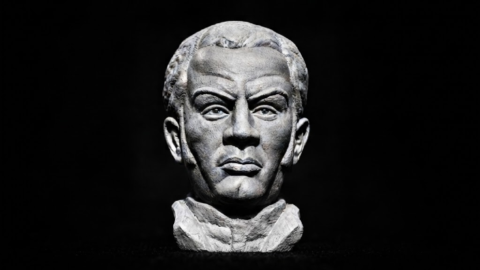
Renaming (1997): Originally known as Vigie Airport, it was renamed in 1997 to honor Sir George Frederick Lawrence Charles, the island’s first Chief Minister. He had led a historic workers’ strike there in 1945
Construction Origins
Wartime Purpose: It was established to serve as a strategic defense base for the Caribbean region during the conflict .
Physical Location: The facility was constructed on the Vigie peninsula, just 2 km north of the capital, Castries, with its runway running parallel to Vigie Beach
Post-War Evolution
Renovation Project: After the war, the airport underwent a major renovation. It was during this project that Sir George F. L. Charles worked as a timekeeper, an experience that launched his career in labor advocacy and politics .
Renaming: In 1997, the airport was officially renamed to honor Sir George Frederick Lawrence Charles, the island’s first Chief Minister
The Wartime Mission (Beane Field)
The airfield that is now Hewanorra (UVF) was built by the U.S. Army Air Forces as Beane Army Airfield. Its primary purposes were:
Defense: To defend the Panama Canal and the island of St. Lucia from potential Nazi attacks .
Strategic Projection: To provide a base for projecting air operations in support of the defense of the region (likely the South American/Southern Caribbean line) .
Logistics: It was built large enough to accommodate American transport planes and troops
Strategic Context for St. Lucia
The U.S. acquired base sites in St. Lucia in 1940 via the “Destroyers for Bases” agreement with the British. The strategic value was immense:
Countering Martinique: The U.S. wanted to dominate the nearby French island of Martinique, which was under Vichy control and potentially a threat. President Roosevelt noted that the harbor at Gros Islet Bay in St. Lucia was superior and thus “dominated” Martinique .
Southern Defense Line: St. Lucia was a crucial “stepping stone” on the southern Caribbean defense line, protecting the approaches to South America .