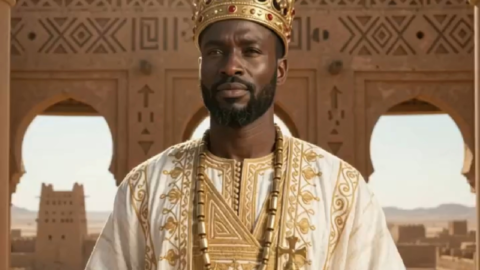

For over a thousand years, the trans-Saharan trade connected Africa to the world. Gold flowed north. Salt, cloth, and horses flowed south. African kings grew wealthy. Muslim merchants built empires. Italian city-states became Europe’s gatekeepers.
The history of African wealth, trade, and craftsmanship spans thousands of years, long before European contact. It is a story of powerful empires built on the exchange of gold and salt, sophisticated metalworking and textile traditions, and a complex integration into global commerce.
The Wealth of Empires: Gold, Salt, and Trade
For centuries, Africa’s wealth was legendary, driven by vast trade networks that connected its interior to the wider world.
The Trans-Saharan Trade: From around 500 BCE to the 1800s, the Sahara was a highway for commerce rather than a barrier. The trade was dominated by two vital commodities: salt from the north (essential for health and food preservation) and gold from the south. This exchange powered the great West African empires .
The Great Kingdoms: The empires of Ghana, Mali, and Songhai rose to prominence by controlling these trade routes and taxing the goods that passed through cities like Timbuktu and Djenné. The most famous figure was Mansa Musa of Mali, whose 1324 pilgrimage to Mecca was so lavish it reportedly disrupted the gold market in Cairo, cementing his reputation as one of the richest men in history .
East African Commerce: Parallel to the Saharan trade, the Swahili Coast was linked to the Indian Ocean network. This connected inland kingdoms like Great Zimbabwe to merchants from Arabia, Persia, and India, exporting gold, ivory, and slaves in exchange for porcelain, cloth, and glass