
📜 A History of Struggle and Pride
Kwéyòl developed during the plantation slavery era as enslaved Africans, who spoke different languages, needed a common way to communicate with French settlers . For a long time, it was banned in schools and seen as a sign of lower status . But from the 1980s onward, a cultural movement successfully shifted attitudes — today, most St. Lucians view it as a symbol of national pride and support its official recognition.
🗣️ A Living Language
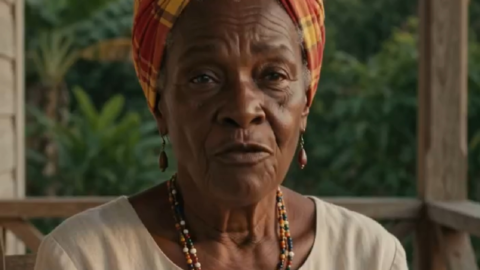
Kwéyòl is still widely spoken as a family and community language . It’s used in radio programming, parliament, and education, helping to legitimize and revitalize it for future generations.
🎉 Jounen Kwéyòl
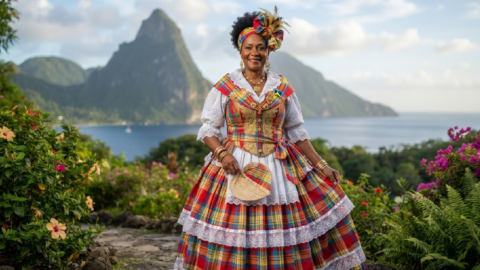
The biggest celebration of the language is Jounen Kwéyòl (Creole Day), held on the Sunday nearest October 28th . It’s the climax of Mwa Éwitaj Kwéyòl (Creole Heritage Month) in October, featuring music, food, and traditions in host communities across the island — in 2025, these were Belle Vue, Vieux Fort and Babonneau.
💬 Try a Few Words
Simple greetings are always appreciated :
- Bonjou – Good morning
- Bonswa – Good afternoon/evening
- Mèsi – Thank you
- Souplé – Please