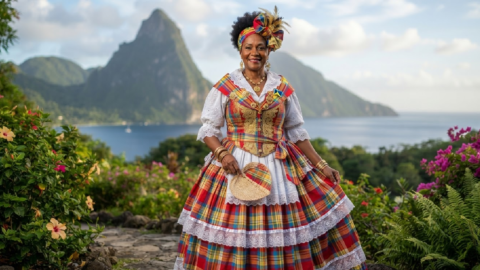

Community tourism matters because it ensures the money you spend actually stays in the place you’re visiting. Instead of tourism revenue flowing straight to large resorts and foreign operators, community-based tourism channels it directly to local entrepreneurs—the fishermen, farmers, artisans, and guides who call that place home.
For Saint Lucia specifically, this approach is being treated as a strategic priority. The island has approved 35 community tourism projects valued at over $5 million, and the model has shown measurable results: community products mentored under one initiative saw revenue increases of over 20% within two years. It’s not charity—it’s economic development that works.
The bigger picture is about resilience. When communities have ownership over their tourism product, they’re less vulnerable to the boom-and-bust cycles that plague resort-dependent economies. As one Caribbean tourism official put it, community-based tourism “is the most strategic answer we have to ensuring that tourism benefits remain within our communities”. It also preserves culture and heritage that would otherwise be commodified or erased by mass tourism.
For travelers, it means something simpler: authentic experiences that you can’t get anywhere else. A cassava bread-making demonstration in a village. A Rastafarian farmer sharing his land. A fishing town opening its jetty to visitors. These are the moments that stay with you long after the beach photos fade.