
The Garifuna People: A History of Resistance, Exile, and Survival
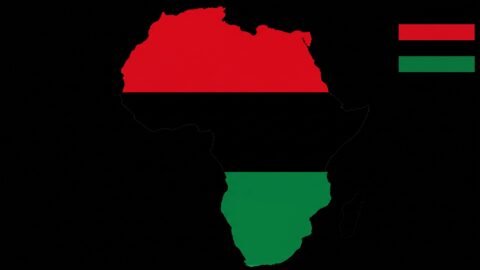
The Garifuna are an Afro-Indigenous people whose history began on the Caribbean island of St. Vincent, which they call Yurumein. Their ancestors were West Africans who intermarried with the Indigenous Kalinago and Arawak peoples. The Garifuna were never enslaved. They governed themselves, controlled their land, and resisted European colonization for generations.
This video series explores their history from their perspective—not through the lens of European diplomacy, but through the story of a free people who fought to remain free.
Early Resistance on St. Vincent
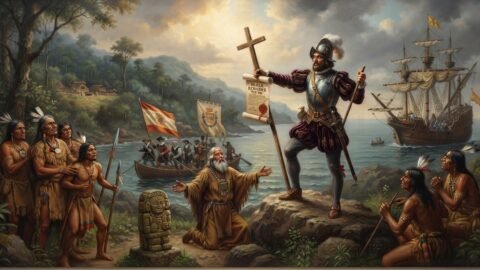
Long before Britain and France signed agreements about St. Vincent, the Kalinago and Garifuna controlled the island. Spain attempted to settle St. Vincent in 1555 but was driven back. In 1635, a Spanish slave ship wrecked near St. Vincent. The surviving Africans were taken in by the Kalinago. Over time, Africans and Kalinago intermarried and formed a distinct people. European settlers later called them “Black Caribs.” They called themselves Garifuna.
In 1639, Kalinago from St. Vincent and other islands launched retaliatory attacks on British settlements after a British ship kidnapped Kalinago to sell as slaves. In 1719, the Garifuna repelled a French attack on St. Vincent using guerrilla tactics. The British also attempted to take the island in 1723 and were also repelled. These victories established the Garifuna as a military force that European powers could not ignore.
The 1748 Neutrality Agreement
After failed French and British attempts to take St. Vincent, Britain and France signed an agreement in 1748 declaring the island neutral. The Garifuna were not part of this agreement. They did not recognize European jurisdiction. The neutrality agreement was a temporary truce between two European powers after military failure. It did not represent the actual political state of St. Vincent.
The 1763 Treaty of Paris
The Seven Years’ War began in 1754 over land in North America. Both Britain and France claimed the Ohio River Valley. The war spread to Europe and beyond. Britain captured Quebec in 1759 and Montreal in 1760. France lost its North American colonies. The war ended with the Treaty of Paris in 1763. France ceded St. Vincent to Britain. The Garifuna were not mentioned, consulted, or given any say in the transfer.
France gave up St. Vincent because Britain had already captured it during the war. France chose to keep Guadeloupe and Martinique instead. Those islands were worth more because of sugar. St. Vincent was traded away.
Why Britain Wanted St. Vincent
Britain wanted sugar. Sugar was the most profitable crop in the world. St. Vincent had fertile soil, especially on the eastern coast. The Garifuna controlled that land. From 1765, the British began selling land in plantation-sized lots. Slave traders brought in hundreds of Africans each year. Forests were cleared. The British wanted a sugar colony. The Garifuna stood in the way.
The First Carib War (1769–1773)
British settlers moved onto Garifuna land. The Garifuna fought back. Led by Joseph Chatoyer, they used the mountains and forests. British forces were unfamiliar with the terrain. They suffered heavy losses. The campaign stalled. In London, political opposition grew. Parliament ordered an inquiry. The war reached a stalemate. Britain could not win.
The 1773 Treaty
On February 17, 1773, Britain signed a treaty with the Garifuna. The treaty acknowledged the British King as sovereign on paper. But the real terms favored the Garifuna. The most fertile part of the country was ceded to them in perpetuity. They kept their own districts and governed themselves. They were not deported. They were not defeated. This was not a British gift. It was the result of Garifuna military resistance. Britain had been forced to negotiate.
The Second Carib War (1795–1797)
British planters never accepted the 1773 treaty. They kept pushing. The Garifuna kept resisting. By 1795, war broke out again. The Garifuna had support from French revolutionary forces. They gained control of most of the island. They positioned themselves to attack the British capital. On March 14, 1795, the British attacked Dorsetshire Hill. Chatoyer was killed. The French allies surrendered. The Garifuna fought on alone. Britain’s strategy was to starve them. British forces destroyed Garifuna food supplies. By October 1796, the Garifuna surrendered.
Exile to Roatán
The British rounded up the survivors. About 5,000 were removed to the tiny island of Baliceaux. Conditions were brutal. Many died. By March 1797, only about 2,248 had survived. On March 11, 1797, they were shipped to Roatán. On April 12, 1797, 2,026 arrived. From there, they spread along the Central American coast. Honduras, Guatemala, Belize, Nicaragua. Their exile became the foundation of the modern Garifuna diaspora.
Survival and Legacy
Despite exile, the Garifuna did not disappear. They rebuilt their communities. They preserved their language, their music, their spirituality, and their traditions. The dügü, a sacred ritual honoring ancestral spirits, kept their connection to the past alive. Today, there are roughly six hundred thousand Garifuna people. In 2001, UNESCO recognized Garifuna language, dance, and music as a Masterpiece of the Oral and Intangible Heritage of Humanity. Each year on April 12, they celebrate their arrival to Honduras. They dance. They sing. They remember. And they teach the next generation who they are.
Why Their Story Matters
The Garifuna story is one of resistance, broken promises, and survival. They were never enslaved. They forced the British Empire to negotiate. They won a treaty in 1773 that recognized their land rights. The British broke that treaty. They fought again. They were overwhelmed by numbers, disease, and the loss of French supplies. They were exiled. But they did not disappear. Their history challenges simple categories of race and identity. They are Black. They are Indigenous. They are Central American. They are Garifuna. And their story is not just theirs. It is a story of what it means to hold onto who you are, no matter what forces try to take it away.